Introduction to Metal Roofing
What is Metal Roofing?
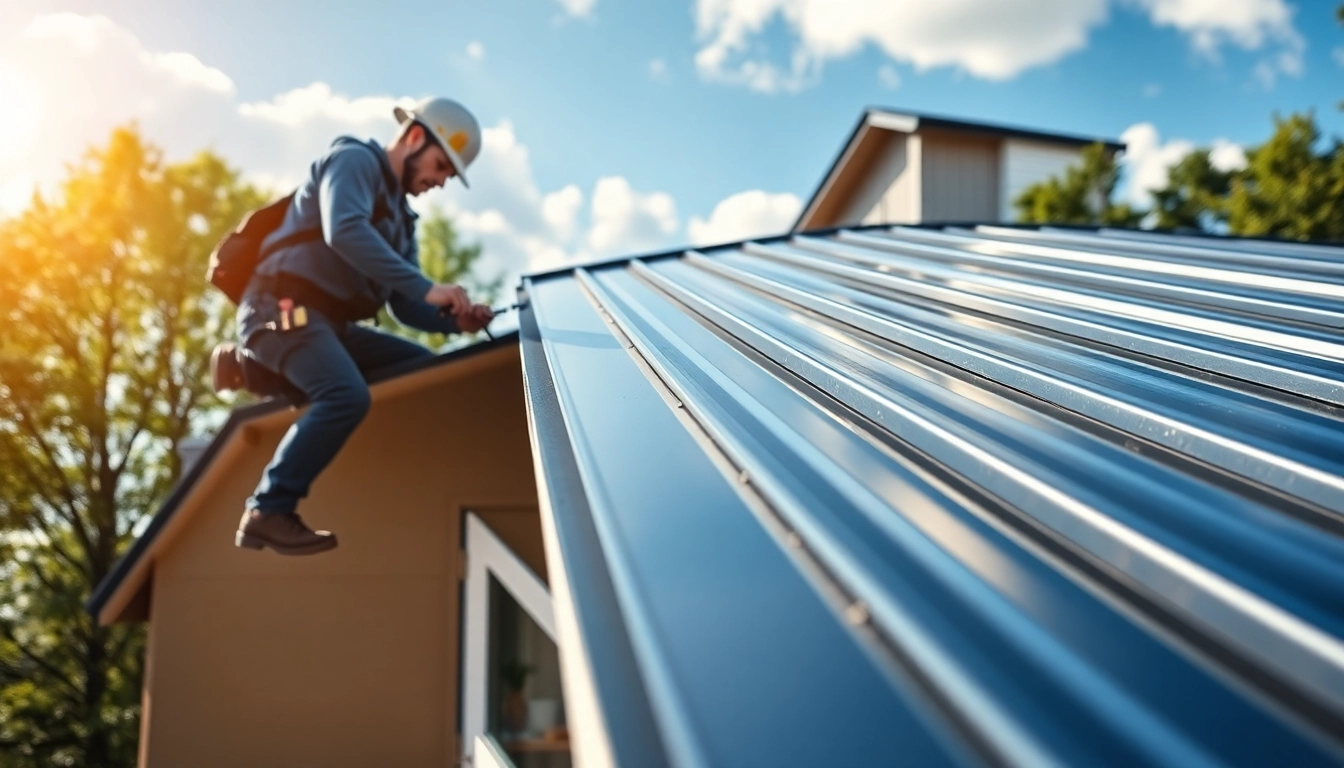
Metal roofing is a construction material made from metal pieces or tiles, which offer an alternative to traditional roofing materials like asphalt shingles or clay tiles. This type of roofing is known for its durability, longevity, and aesthetic appeal. Metal roofing systems are created using various metals, such as steel, aluminum, copper, and zinc, making them suitable for diverse architectural styles and climates. Homeowners and builders increasingly prefer metal roofing due to its impressive performance and eco-friendliness.
Advantages of Metal Roofing
Metal roofing provides numerous advantages that make it a popular choice among homeowners. Some key benefits include:
- Durability: Metal roofs are resistant to harsh weather conditions, including rain, snow, and strong winds. They can last over 50 years with minimal maintenance.
- Energy Efficiency: Metal roofing reflects solar heat, reducing cooling costs in warm climates and keeping homes comfortable.
- Environmentally Friendly: Many metal roofs are made from recycled materials and are recyclable at the end of their lifespan, offering sustainable benefits.
- Variety of Styles: Available in multiple colors, patterns, and materials, metal roofing can enhance the aesthetic appeal of any home.
- Fire Resistance: Metal roofs are non-combustible and offer excellent fire resistance, providing additional safety for your home.
Common Myths About Metal Roofing
Despite the growing popularity of metal roofing, several myths persist. Addressing these misconceptions is important:
- Metal roofs are noisy: This myth stems from older installations. Proper insulation and underlayment reduce noise significantly.
- Metal roofing is too expensive: While the initial cost may be higher than asphalt shingles, the longevity and energy savings often outweigh upfront expenses.
- Metal roofs attract lightning: Metal is a conductor, but they do not attract lightning. Properly designed roofs include grounding systems to prevent electrical hazards.
- Metal roofs are not aesthetically pleasing: Metal roofs are available in various attractive designs and colors, complementing any architectural style.
- Installation is complicated: While installation can be challenging, professional installers ensure proper fitting and durability.
Types of Metal Roofing
Steel vs. Aluminum Metal Roofing
Steel and aluminum are the two most common types of metal roofing materials, each with distinct advantages:
- Steel: Known for its strength and resilience, steel roofing often comes with a protective coating to prevent rust. It is heavier than aluminum and offers excellent weather resistance.
- Aluminum: Lightweight and naturally resistant to rust, aluminum roofing is an excellent choice for coastal areas with high humidity. It is more expensive than steel but offers superior longevity.
Popular Metal Roofing Styles
Metal roofing comes in various styles, catering to different architectural preferences. Popular styles include:
- Standing Seam: Characterized by vertical panels and raised seams, this style provides excellent weather protection and sleek aesthetics.
- Shingle Style: Mimicking traditional asphalt shingles, this style offers a more familiar look while retaining the benefits of metal.
- Corrugated Metal: This style consists of overlapping metal panels and is commonly used in industrial settings, but it has gained popularity in residential applications due to its rustic charm.
Choosing the Right Material for Your Climate
Selecting the appropriate metal roofing material depends significantly on your climate. For example:
- Cold Climates: Steel roofs coated with a corrosion-resistant finish are ideal, as they can withstand snow and ice.
- Hot Climates: Aluminum roofing reflects solar heat, making it suitable for locations with high temperatures.
- Coastal Areas: Aluminum is preferred due to its resistance to saltwater corrosion, protecting your home in humid environments.
Installation Process for Metal Roofing
Preparation for Metal Roofing Installation
Preparation is crucial for a successful metal roofing installation. This involves:
- Conducting a thorough roof inspection to assess the condition of the existing roof and the underlying structure.
- Choosing the right materials and accessories, including underlayment, flashing, and sealants, that complement your chosen metal roofing.
- Collaborating with professionals to ensure local building codes and regulations are met before installation begins.
Step-by-Step Installation Guide
The metal roofing installation process generally follows these steps:
- Remove Existing Roofing: Remove any old roofing materials to create a clean surface.
- Inspect and Repair Decking: Fix any damaged wood or underlying structures before proceeding.
- Install Underlayment: Lay a water-resistant underlayment to help prevent water intrusion.
- Install Panels: Attach the metal panels using appropriate fasteners, ensuring panels overlap for maximum protection against leaks.
- Add Flashing: Use flashing to seal edges, valleys, and transitions for additional waterproofing.
- Finish with Trim: Install trim pieces for a polished look and to cover any exposed edges.
Hiring Professionals vs. DIY Installation
While some homeowners may consider a DIY approach to installing metal roofing, hiring professionals has significant advantages:
- Expertise: Professionals possess the skills and experience to handle unexpected complications during installation.
- Safety: The installation process can be hazardous. Skilled installers follow safety protocols to minimize risk.
- Warranty: Many manufacturers offer better warranties when certified professionals install the roofing.
Maintenance of Metal Roofing
Routine Inspections and Cleaning
Regular inspections and maintenance extend the life of your metal roof. Homeowners should aim to:
- Inspect the roof twice a year, looking for signs of damage or wear, such as loose panels or rust spots.
- Clean gutters and downspouts regularly to prevent clogging, which can cause water backup and roof damage.
- Remove debris, such as leaves or branches, to avoid trapping moisture against the metal surfaces.
Sustainable Practices for Metal Roofing
Incorporating sustainable practices can enhance the environmental benefits of metal roofing:
- Consider installing a green roof system alongside metal roofing for increased insulation and reduced water runoff.
- Use cool roofing products that reflect sunlight, helping to mitigate the urban heat island effect.
- Recycle old roofing materials, reducing waste and conserving resources when replacing your roof.
Signs Your Metal Roofing Needs Repair
Be vigilant for signs that indicate your metal roof may require repairs:
- Rust: Spotting rust on the surface may suggest deterioration.
- Leaks: Water stains on the ceiling or walls indicate roof leaks, necessitating immediate attention.
- Loose Panels: Panels that are coming loose can compromise the roof’s integrity and must be fixed promptly.
Cost of Metal Roofing
Initial Costs vs. Long-Term Savings
When comparing metal roofing to other materials, consider both initial and long-term costs:
- Initial Investment: Metal roofs can cost more to install initially compared to options like shingles.
- Longevity Benefits: The longevity of metal roofing often translates into savings over time, given their extended lifespan and lower maintenance costs.
- Energy Efficiency Savings: Reduced heating and cooling bills due to energy-efficient properties contribute to financial benefits.
Financing Options for Metal Roofing Projects
Metal roofing can represent a significant investment, yet various financing options can make it more accessible:
- Home Improvement Loans: Many banks offer loans specifically designed for home improvement projects, including metal roofing.
- Credit Lines: Consider using a home equity line of credit to finance the project at a potentially lower interest rate.
- Manufacturer Financing: Some manufacturers may provide financing options or partnerships with local contractors that facilitate easier payment plans.
Calculating Total Cost with Installation
To estimate the total cost of your metal roofing project, consider these factors:
- Roof Size: Calculate the area of your roof and how much material will be needed.
- Material Choice: Different metal types have varying costs. Steel is generally less expensive compared to copper or aluminum.
- Installation Complexity: Steeper or more complex roof designs require more labor, impacting overall costs.
- Location: Local labor rates and material availability can affect pricing.
Frequently Asked Questions
1. How long does metal roofing last?
Metal roofing can last 40 to 70 years, depending on the material and maintenance practices, making it a long-term investment.
2. Is metal roofing suitable for all climates?
Yes, metal roofing performs well in various climates, but the choice of material should be adapted to specific weather conditions.
3. Can I walk on my metal roof?
Yes, but exercise caution and do so only if necessary. Walking improperly can damage panels or cause slips.
4. How often should I inspect my metal roof?
Inspect your metal roof at least twice a year and after severe weather events to catch any potential issues early.
5. Will a metal roof increase my home’s value?
Yes, metal roofing can enhance your home’s value due to its durability, energy efficiency, and aesthetic appeal, attracting prospective buyers.