Understanding the Scituate In-Law Expansion Concept
What is an In-Law Expansion?
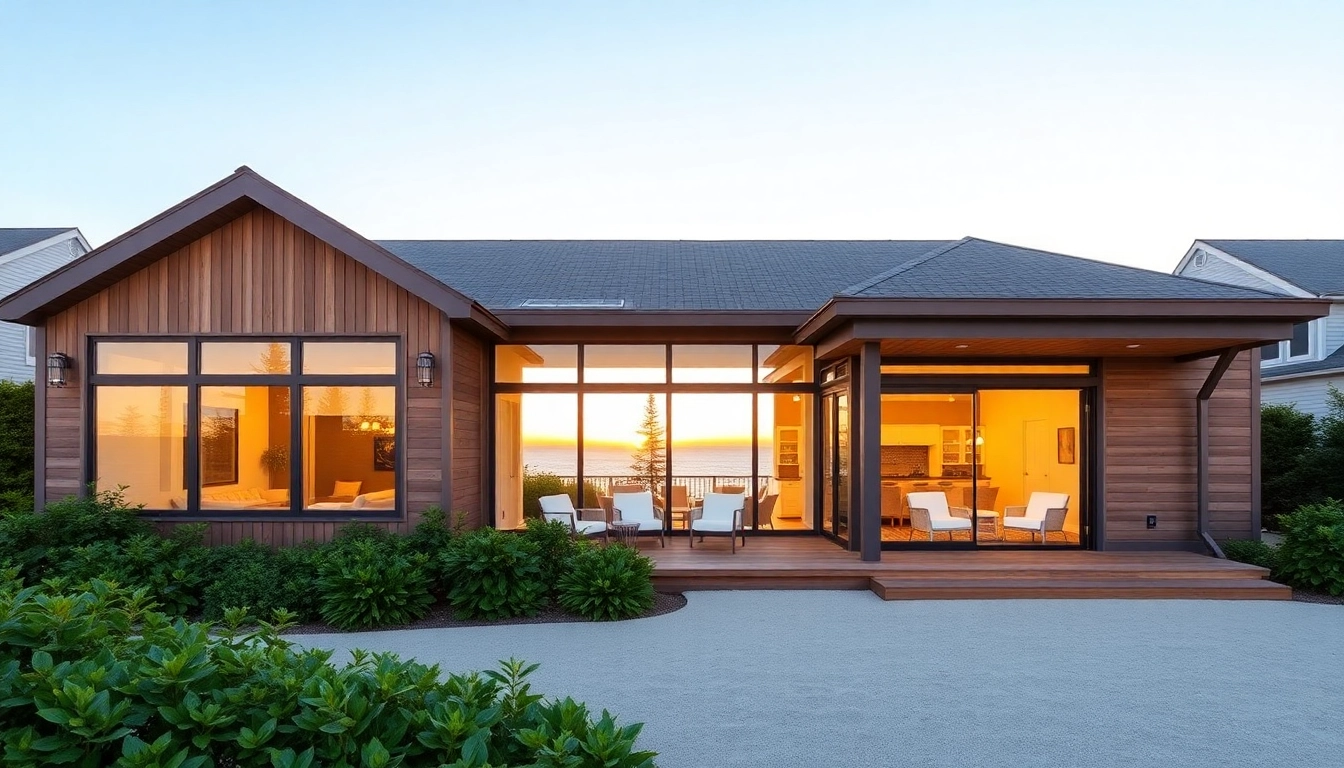
An in-law expansion refers to an extension of a home designed to accommodate extended family members, often referred to as in-laws. These spaces are typically self-contained, offering private living areas including a bedroom, bathroom, and sometimes a small kitchenette, thus providing a degree of independence while maintaining familial support. The Scituate In-Law Expansion is a popular choice among homeowners seeking a harmonious balance of privacy and proximity, especially in coastal towns where space can be a precious commodity.
Benefits of a Coastal In-Law Expansion
Choosing to build a coastal in-law expansion comes with various advantages. Primarily, it allows families to stay close while granting individual living spaces, fostering both independence and connection. Coastal areas offer unique benefits such as stunning views, proximity to recreational activities, and a tranquil environment which can enrich the quality of life for everyone involved. Additionally, a well-planned in-law suite can increase property value, making it a sound investment for homeowners.
Key Design Elements to Consider
When designing an in-law expansion, several key elements can contribute to its functionality and aesthetics. First, consider the layout: open-concept designs often create a sense of spaciousness. Next, think about accessibility; features such as wider doorways and the absence of stairs can make the space more accommodating for individuals with mobility issues. Lastly, integrating local materials that harmonize with the coastal environment can enhance both durability and visual appeal.
Design Principles for Scituate In-Law Expansion
Choosing the Right Layout and Flow
The layout of an in-law expansion is critical to its success. It should ensure seamless flow between spaces, facilitating easy movement and access. Popular layouts include those featuring separate entrances, which provide privacy without feeling isolated. Transitional spaces like porches can also bridge connections with the main house, enhancing social interactions while allowing for personal space.
Incorporating Natural Light and Views
Harnessing natural light is vital in creating a welcoming and uplifting living space. Techniques such as strategically placed windows, skylights, and glass doors can not only illuminate interiors but also frame coastal views, connecting the indoors with the breathtaking outside. The use of light-colored materials can amplify this effect, reflecting light and adding to the overall ambiance.
Material Considerations for Coastal Settings
Coastal environments present unique challenges for building materials, primarily due to exposure to moisture, wind, and salt. Opting for durable materials such as fiber-cement siding, treated wood, and corrosion-resistant metals can prolong the life of your expansion. Additionally, consider using eco-friendly materials that align with sustainability practices, thus preserving the natural beauty of coastal ecosystems.
Planning and Regulations for Your In-Law Expansion
Understanding Local Zoning Laws
Before undertaking a home expansion, it’s crucial to understand local zoning laws and building regulations. These laws dictate various aspects, such as the size and location of the expansion. Some areas may have restrictions on height or the percentage of the lot that can be built upon, while others may require specific architectural styles that fit the neighborhood’s character.
Permitting Process Explained
Once you’re clear on zoning laws, obtaining the necessary permits is the next step. This process typically requires submitting detailed plans to local authorities, who will assess them based on safety standards and zoning compliance. Engaging with an architect or contractor familiar with local codes can streamline the process and reduce potential delays.
Budgeting for Your Expansion Project
Budgeting is a crucial part of planning an in-law expansion. Costs can vary significantly based on design complexity, material choice, and labor. It’s wise to create a detailed budget that accounts for construction costs, permits, landscaping, and interior furnishing. Additionally, setting aside an emergency fund to cover unexpected expenses can help prevent financial strain during the project.
Implementing Sustainable Features in Your In-Law Expansion
Energy Efficiency and Green Building Practices
Incorporating sustainability into your in-law expansion not only benefits the environment but can also lead to cost savings in the long term. Energy-efficient appliances, proper insulation, and solar panels can significantly reduce utility bills. Furthermore, adhering to green building practices, such as using reclaimed wood or low-VOC paints, can contribute to a healthier living space.
Landscaping for Environmental Harmony
Landscaping can play a pivotal role in maintaining environmental harmony. By selecting native plants that require less water and are pest-resistant, homeowners can create beautiful gardens that support local wildlife while reducing maintenance costs. Additionally, incorporating permeable surfaces can manage stormwater runoff and prevent erosion, which is particularly important in coastal settings.
Smart Home Technologies to Consider
Incorporating smart home technologies can enhance the livability and efficiency of your in-law expansion. Automated systems for lighting, heating, and security can provide convenience and peace of mind. Features such as smart thermostats can optimize energy usage and ensure comfort year-round. Moreover, integrating connectivity options can foster community engagement, enabling family members to stay in touch effortlessly.
Frequently Asked Questions about Scituate In-Law Expansion
How do I start the planning process?
Start by outlining your goals for the expansion, including desired features and budget. Consult with architects or contractors to discuss options, and research local zoning laws to ensure compliance. Gathering inspiration from similar projects can also help clarify your vision.
What are the common costs involved?
Common costs for an in-law expansion include design fees, construction materials, labor, permits, and interior furnishings. Be prepared for additional expenses such as landscaping and utility modifications that may arise during construction.
Can I rent out my in-law expansion?
Whether you can rent out your in-law expansion depends on local zoning regulations and homeowner association rules. It’s essential to check these regulations to ensure compliance if you plan to list the space as a rental.
What design styles work best?
Design styles that resonate well with coastal settings include modern beachy decor, traditional Cape Cod aesthetics, and minimalist designs that emphasize open spaces and natural materials. Choose a style that complements both your main house and the surrounding environment.
How can I ensure privacy for both homes?
Designing with privacy in mind is crucial for an in-law expansion. Incorporate strategic landscaping, such as privacy hedges or fencing, and consider layout options that keep the entrances and outdoor spaces separated while providing sound insulation between units.