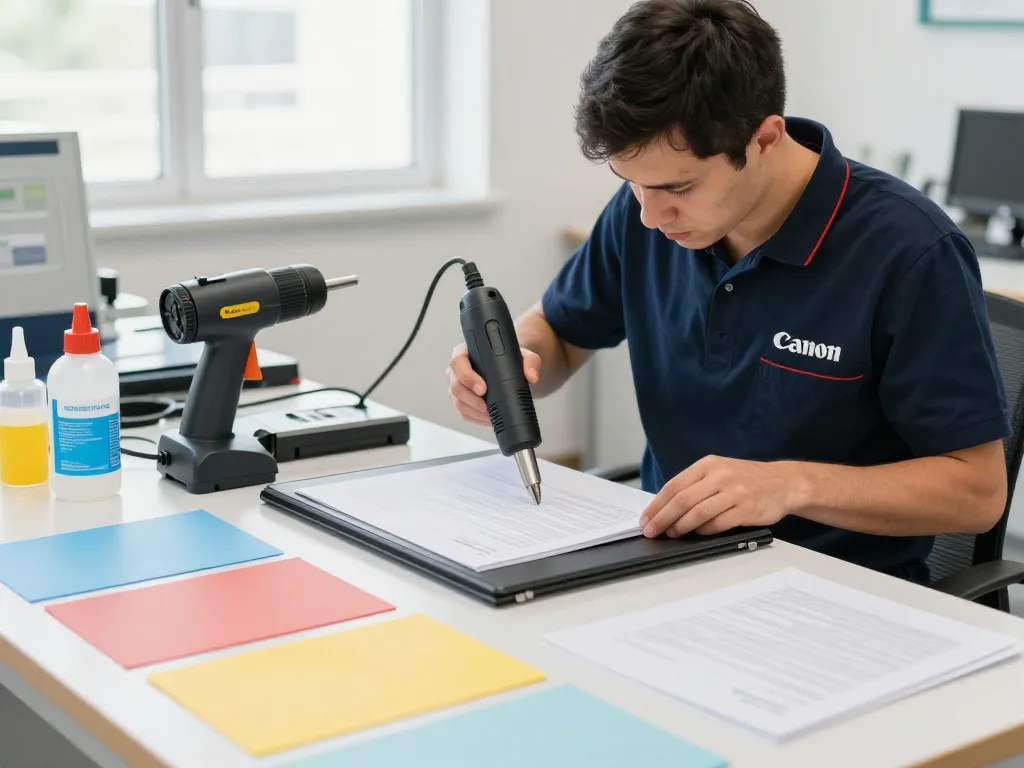
Understanding the Need for bóc ép plastic Services
In the modern age, where preservation and documentation are crucial, the process of bóc ép plastic emerges as a significant service. This procedure involves carefully extracting documents that have been encapsulated in plastic layers to ensure their longevity and protection. Business documents, important certificates, and cherished memories trapped under plastic can often suffer from deterioration or potential damage if not properly addressed. Understanding the implications and methodologies of this practice is essential for anyone seeking to maintain the integrity of their important papers.
What is bóc ép plastic and why is it important?
Bóc ép plastic is the process of removing documents that have been laminated or encapsulated in a plastic sheath. This often becomes necessary when paper documents start to deteriorate or when individuals find that their important papers have been compromised due to the aging of the plastic material, typically used for preservation.
The significance of this service lies in its ability to restore the original condition of documents without causing further damage. Proper preservation methods ensure that vital records are maintained, especially for legal, educational, or personal reasons.
Common problems caused by improper plastic lamination
- Sticking and tearing: Improper lamination can lead to significant issues, such as documents sticking to the plastic, making extraction difficult and often resulting in tears.
- Deterioration over time: The materials used in lamination can degrade, causing the documents encased within to adhere irreversibly to the plastic.
- Loss of information: In many cases, the ink on printed materials may begin to fade or transfer to the plastic sheath itself, leading to a permanent loss of critical information.
Benefits of professional bóc ép plastic services
Engaging with a professional service for bóc ép plastic offers numerous benefits, including:
- Expertise and precision: Professionals are equipped with the knowledge and technologies necessary to safely extract documents without causing damage.
- Guaranteed preservation: Expert services routinely ensure that the integrity of the original document remains intact.
- Risk reduction: By using specialized techniques, professionals minimize the risk of tearing or losing vital information during the extraction process.
Effective Methods for Safe Document Extraction
Technique 1: Removing plastic using heat
One widely recognized method for removing plastic encapsulation is the application of heat. This technique involves using devices such as hairdryers or heat guns to soften the lamination, allowing for easier removal. The process should be approached with caution; excessive heat can lead to melting or burning the document itself.
Technique 2: Non-force methods and their effectiveness
Non-force extraction techniques rely on chemical solutions or specialized tools that do not require physical pulling or bending of the document. These methods often utilize solvents that can dissolve the adhesive used in plastic lamination without causing damage to the paper itself.
Comparative analysis of both techniques
When contrasting the heat application method with non-force techniques, professionals often recommend the latter due to its safety. While heat may yield quicker results, it poses a higher risk of damaging sensitive documents. Non-force methods, though potentially slower, are regarded as safer and are often preferred for fragile or irreplaceable documents.
Choosing the Right Service Provider
What to look for in a bóc ép plastic provider
Identifying a reputable bóc ép plastic service provider is vital for ensuring the safety and preservation of important documents. Key factors to consider include:
- Experience: Look for providers with a proven history of successful document extraction.
- Specialized tools: Ensure they utilize advanced technology tailored for document preservation.
- Customer service: A provider should offer comprehensive consultations to discuss potential risks and methodologies.
Assessing experience and track record
Before selecting a bóc ép plastic service, it is essential to investigate their experience and track record. Providers who specialize in this field should have a portfolio of previous work and positive testimonials from past clients. A consistent record of successful interventions indicates reliability and skill.
Understanding customer reviews and service guarantees
Reading customer reviews can provide valuable insights into the quality of service offered. Look for consistent feedback highlighting the effectiveness, professionalism, and reliability of the service. Additionally, inquire about service guarantees, ensuring that you have recourse if your documents are not returned in the expected condition.
Case Studies: Successful Document Recovery
Real-world examples of bóc ép plastic interventions
Examining real-world cases of successful bóc ép plastic interventions can illustrate the effectiveness of these services. For instance, a local historical society sought the help of professionals to restore valuable documents that had been improperly laminated for decades. The result was a successful extraction, preserving their historical significance without damage.
Challenges faced and how they were overcome
Many challenges are faced during the extraction process, including stubborn adhesives and delicate paper conditions. In some documented cases, service providers utilized innovative adhesive dissolving techniques that were effective without compromising the document’s condition.
Lessons learned for better practices in the future
These case studies often reveal critical lessons regarding best practices in document handling and lamination. It emphasizes the vital nature of using appropriate materials and techniques to protect documents from the outset, potentially reducing the need for extraction services.
The Future of bóc ép plastic Technology
Emerging technologies in document preservation
The field of document preservation is continually evolving, with new technologies emerging that enhance the safety and effectiveness of extraction methods. Innovations such as environmentally-friendly solvents and advanced materials for lamination demonstrate promise in reducing risks associated with traditional processes.
Predictions for the industry in 2026 and beyond
As we look ahead to 2026 and beyond, we can anticipate further integration of digital technologies within the document preservation industry. This includes automated systems for extraction and enhanced training protocols that will further minimize risks associated with document handling.
How to stay updated with best practices and innovations
Constantly educating oneself about the latest trends and practices in document preservation is essential. Professionals should attend workshops, follow industry publications, and engage with peer networks to stay informed about emerging technologies and methodologies.
What are the risks of DIY bóc ép plastic methods?
While many may consider attempting to extract documents from plastic themselves, there are significant risks involved. DIY methods often lead to damage or inadequate preservation, resulting in a loss of critical information that cannot be replaced.
Can all types of documents be safely extracted from plastic?
Not all documents are suitable for extraction without risk. More sensitive materials or those that have undergone extensive degradation may require specialized treatment. Consulting with experts is always advised before attempting any extraction.
What guarantees should I expect from a bóc ép plastic service?
Upon engaging a professional bóc ép plastic service, you should expect guarantees relating to the condition of your documents after extraction. Reliable services will provide assurance against damage and will often offer warranty periods for additional peace of mind.
How long does the bóc ép plastic process usually take?
The duration of the bóc ép plastic process can vary based on document type and condition. Simple cases may only take a few hours, while more complicated extractions could require several days. It’s advisable to maintain open communication with your service provider regarding timelines.
Are there any aftercare measures for recovered documents?
After a successful extraction, proper care is crucial. This may include storing documents in a controlled environment or using protective folders to prevent further damage. Engaging with preservation specialists can provide tailored solutions for your specific needs.