- Understanding the Role of a New Jersey Commercial General Contractor
- Benefits of Hiring a New Jersey Commercial General Contractor
- Common Challenges Faced by New Jersey Commercial General Contractors
- Best Practices for Collaborating with Your General Contractor
- Future Trends in Commercial Construction in New Jersey
- Frequently Asked Questions
Understanding the Role of a New Jersey Commercial General Contractor
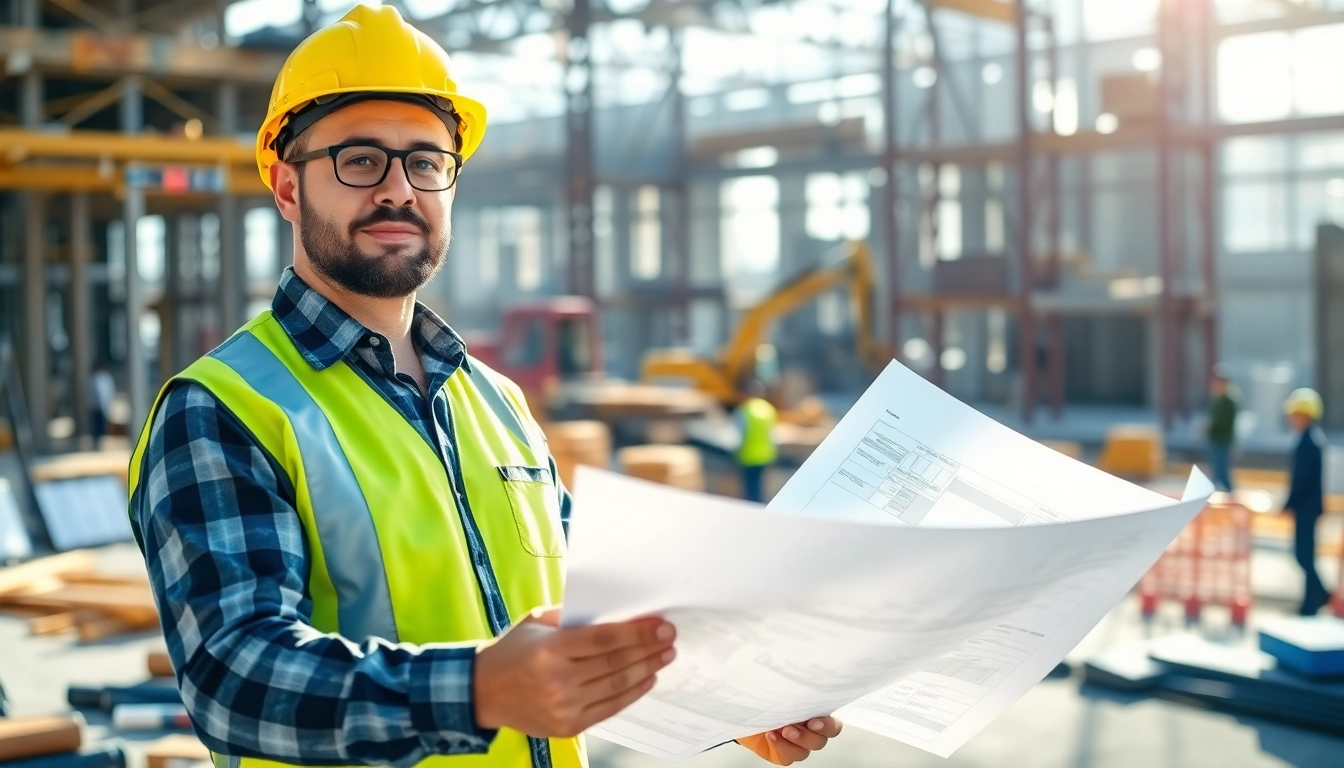
For anyone venturing into a construction project in New Jersey, understanding the role and responsibilities of a New Jersey Commercial General Contractor is crucial. These professionals are the backbone of commercial construction, managing diverse aspects of projects from inception to completion. They ensure that each facet aligns with the client’s vision while adhering to all local regulations and safety standards.
Key Responsibilities of New Jersey Commercial General Contractors
New Jersey Commercial General Contractors are tasked with a myriad of responsibilities that require a blend of technical knowledge, project management skills, and logistical acuity. Their primary duties include:
- Project Planning: Collaborating with architects and engineers to draft a comprehensive project plan that outlines timelines, budgets, and resource allocation.
- Coordination: Overseeing and coordinating subcontractors, suppliers, and laborers to ensure smooth project progression.
- Quality Assurance: Monitoring construction work to ensure it meets specified standards and client expectations.
- Budget Management: Keeping project expenses within the allocated budget while managing unexpected costs.
- Compliance: Ensuring all construction work complies with local building codes and safety regulations.
Importance of Licensing and Registration
In New Jersey, a proper license is not just a formality; it’s a legal requirement for general contractors. This licensing ensures that contractors have the necessary knowledge and skills to manage construction projects safely. It also provides a layer of protection for clients, ensuring that they are dealing with qualified professionals. Moreover, various municipalities may have different licensing requirements, which necessitate thorough research and compliance to avoid project delays.
Choosing the Right General Contractor for Your Project
Selecting the right contractor can significantly impact the outcome of your construction project. Key factors to consider include:
- Experience: Look for contractors with experience in projects similar to yours.
- Reputation: Research reviews and testimonials to assess past client satisfaction.
- Communication: Ensure that the contractor communicates clearly and responds promptly to inquiries.
- Credentials: Verify licensing, insurance, and bonding to confirm their legitimacy.
Benefits of Hiring a New Jersey Commercial General Contractor
The advantages of hiring a New Jersey Commercial General Contractor are manifold, especially for large-scale projects where oversight and expertise are paramount.
Project Management and Coordination
General contractors serve as the central figures in the project management framework. They coordinate all activities, ensuring that deadlines are met, and communication flows seamlessly between stakeholders. This coordination prevents miscommunication that could lead to costly mistakes or delays.
Cost Management Strategies
Effective cost management is essential in any construction project. Contractors employ various strategies such as bulk purchasing materials, negotiating supplier pricing, and meticulous budgeting to ensure that projects remain financially viable. By maintaining a close watch on expenses, they can minimize overruns and ensure value.
Ensuring Compliance and Safety Standards
Commercial construction involves a plethora of regulations. A qualified general contractor ensures adherence to all necessary permits, building codes, and safety standards, thus protecting clients from legal repercussions and ensuring the safety of workers and future occupants.
Common Challenges Faced by New Jersey Commercial General Contractors
Even the most skilled contractors face challenges in managing construction projects. Understanding these challenges can help clients prepare and mitigate risks.
Navigating Regulatory Hurdles
New Jersey’s construction industry is heavily regulated. General contractors must stay updated with local laws and regulations, which can change frequently. This constant fluctuation necessitates rigorous compliance to avoid delays and fines.
Managing Subcontractors Efficiently
Managing a diverse range of subcontractors can be complex. Effective communication and defined responsibilities are crucial to maintain workflow and ensure quality. Contractors often use project management software to streamline these processes.
Dealing with Unforeseen Costs and Delays
Unexpected situations like bad weather, supply chain issues, or labor shortages can impact timelines and budgets. A skilled contractor prepares for these uncertainties by building buffer times and contingency plans into their project schedules and budgets.
Best Practices for Collaborating with Your General Contractor
Effective collaboration between clients and contractors is essential to the success of any construction project. Here are several best practices to foster this partnership.
Clear Communication for Successful Projects
Establishing a clear communication strategy at the project’s outset can alleviate misunderstandings. Regular meetings, updates, and an open-door policy for addressing concerns should be instituted to ensure everyone remains on the same page.
Setting Realistic Expectations and Timelines
Both parties should work together to set achievable goals and deadlines. Understanding the complexities involved in construction can help set more realistic timelines that account for potential delays.
Regular Check-Ins and Progress Updates
Regular check-ins facilitate proactive adjustments to the project plan. Encouraging weekly or bi-weekly updates can help to promptly address any challenges, ensuring smooth transitions through the project’s phases.
Future Trends in Commercial Construction in New Jersey
As the construction landscape continues to morph, several trends are emerging that New Jersey contractors need to adapt to remain competitive and successful.
Embracing Sustainable Building Practices
With increasing attention on environmental issues, sustainable building practices are becoming a norm. This involves using eco-friendly materials, energy-efficient systems, and implementing waste reduction strategies. Contractors who invest in these practices not only comply with regulations but also appeal to environmentally conscious clients.
The Impact of Technology on Construction Projects
From 3D modeling software to drones for site surveys, technology is revolutionizing how contractors operate. These innovative tools enhance efficiency, accuracy, and collaboration among teams, leading to better overall project outcomes.
Adapting to Market Changes and Client Needs
The commercial construction market constantly evolves based on consumer demands and economic shifts. Successful contractors stay ahead of trends by being flexible and adapting their services to meet changing client expectations.
Frequently Asked Questions
What is the role of a commercial general contractor?
A commercial general contractor oversees construction projects, managing schedules, budgets, subcontractors, and ensuring compliance with regulations and safety standards.
How do I choose the right general contractor?
Look for experience, reviews, communication skills, and verifiable licensing and insurance. Personal referrals can also help narrow your options.
What should I expect during the construction process?
Expect regular updates, discussions about project progress, and addressing any challenges the contractor might face throughout the process.
How can I manage costs during construction?
Discuss budget expectations upfront and regularly consult with your contractor regarding any potential changes to costs or project scope.
What are the benefits of sustainable construction practices?
Sustainable practices can lower energy costs, enhance building longevity, improve indoor air quality, and increase property value, aligning with environmental standards.