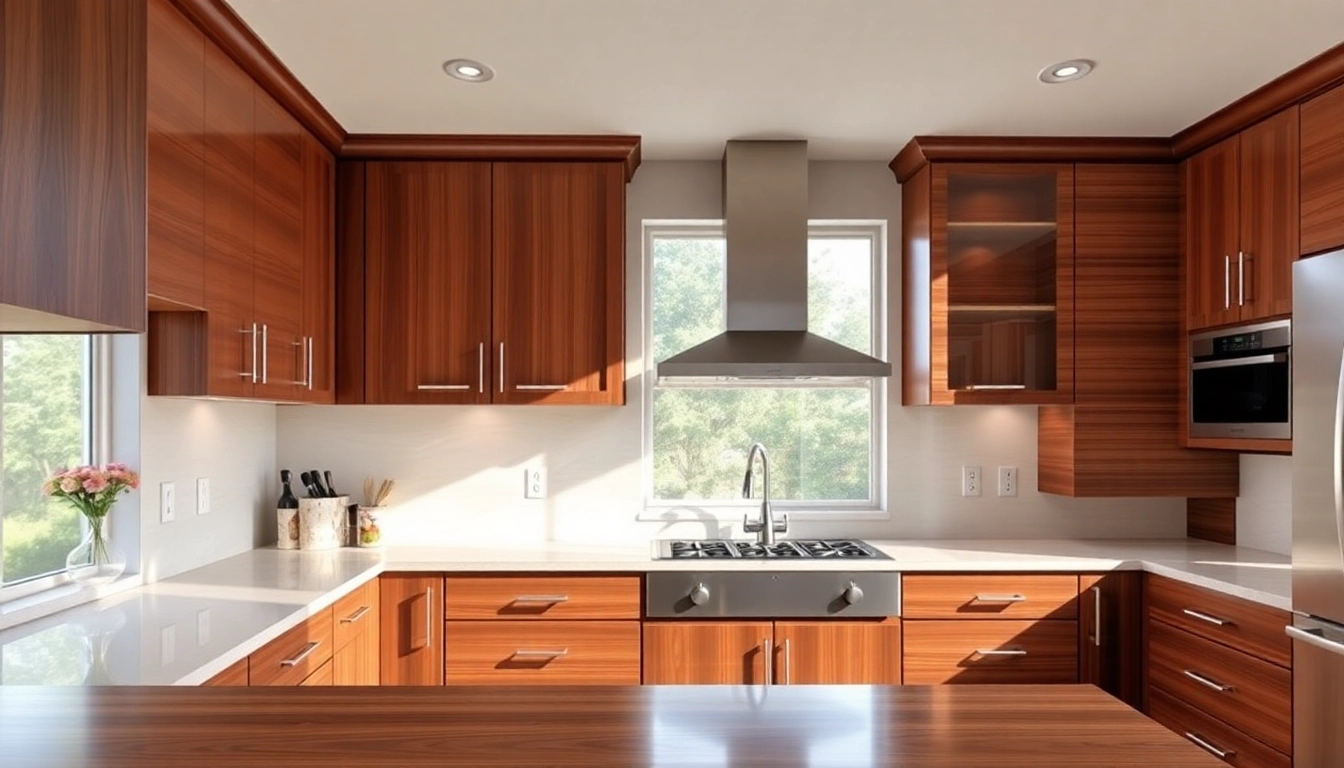
Understanding the Colonial Addition Concept
When considering home expansion, one of the most captivating styles to explore is the colonial addition. This architectural approach not only enhances living space but also preserves historical aesthetics, creating a harmonious blend between the past and present.
Defining Colonial Architecture
Colonial architecture refers to various architectural styles that emerged in America during the colonial period, influenced by European designs. Characterized by symmetry, proportion, and classic details, these structures often include elements such as gabled roofs, dormer windows, and large front porches. Various regional adaptations have given rise to specific styles, such as Georgian, Federal, and Dutch Colonial, each with distinct features that emphasize its heritage.
Types of Colonial Additions
Colonial additions come in several forms, each suited to different needs and tastes. Here are a few common types:
- Side Additions: Extending the home’s footprint outward, side additions maintain the home’s symmetry while providing additional space for living areas or bedrooms.
- Rear Additions: These additions typically include larger open spaces such as kitchens or family rooms, promoting an open-concept living environment.
- Multi-Story Additions: Adding a second story can significantly increase living space without altering the ground-level footprint, ideal for families needing more bedrooms or bathrooms.
- Porch Extensions: Expanding or renovating existing porches can enhance outdoor living areas, a beloved aspect of colonial homes.
Benefits of Colonial Additions
There are numerous advantages to undertaking a colonial addition:
- Increased Space: More room can accommodate growing families or provide space for new purposes, like home offices or guest suites.
- Enhanced Property Value: Properly executed additions can significantly enhance the value of the home, appealing to prospective buyers with its unique charm.
- Architectural Integrity: Additions that align with colonial style retain historical aesthetics, preserving the character of the original structure.
- Improved Functionality: Modern amenities can integrate seamlessly into new spaces, offering comfort and convenience alongside historic beauty.
Planning Your Colonial Addition Project
A successful colonial addition starts with comprehensive planning. Each phase should be carefully evaluated to ensure the final result meets your vision and needs.
Assessing Your Space and Needs
Begin by assessing your current living environment. Consider functionality – is your family outgrowing your space? Would additional bedrooms improve your lifestyle, or is an expanded kitchen what you need most? Consult with family members to determine what improvements can enhance everyday living.
Budgeting for Your Addition
Once your needs are identified, it’s essential to develop a realistic budget. This should encompass not only construction costs but also design fees, permits, and unexpected expenses. Keep in mind that colonial additions often require custom work to ensure consistency with architectural elements and materials.
Permits and Regulations
Research local zoning laws and building regulations that may impact your addition project. Permits can vary widely by location, influencing timelines, fees, and even project feasibility. Engaging with a knowledgeable architect or builder can ease this process, ensuring adherence to essential codes.
Designing Your Colonial Addition
Design is critical to the success of a colonial addition. Well-thought-out designs maintain the integrity of the original home while meeting your contemporary needs.
Choosing the Right Architectural Style
Select a style that complements your existing home. For instance, if you have a Georgian colonial, your addition should feature similar materials and detailing to maintain a uniform exterior appearance. Consider consulting with an architect who specializes in historical homes to guide your aesthetic choices.
Integrating Modern Amenities
Modern necessities such as updated HVAC systems, smart home technology, and energy-efficient windows should be well integrated into your addition without compromising its classical charm. For instance, consider placing modern fixtures that echo colonial designs or using wood flooring that matches the original residence.
Hiring the Right Professionals
Your choice of professionals can make or break your project. Look for contractors and architects with experience in colonial construction and a solid portfolio of similar projects. Personal recommendations, reviews, and thorough interviews can help identify the right candidates for your team.
Construction Process for Colonial Additions
Once you have your designs finalized and professionals selected, the construction phase can begin, often marked by a flurry of activities and decisions.
Best Practices for Contractors
Efficient communication between homeowners and contractors is pivotal during construction. Ensure regular updates and meetings to discuss milestones, changes, or complications that may arise. Clear visual and verbal communication helps align expectations and project goals.
Sourcing Quality Materials
Using high-quality materials that match the existing structure is essential for a successful colonial addition. Seek out suppliers specializing in colonial-style materials, such as authentic brick or handcrafted moldings, ensuring that your addition aligns perfectly with your existing home.
Timeline and Milestones
Establish a construction timeline with clear milestones to track progress. This timeline should be flexible enough to account for potential delays due to unforeseen circumstances such as weather or material availability, ensuring you understand the expected completion date.
Maintenance Tips for Your Colonial Addition
After your colonial addition is complete, ongoing maintenance becomes crucial to preserving the beauty and function of your new space.
Preserving Architectural Integrity
Maintaining the architectural integrity of your colonial addition involves preserving historical features and ensuring they are cared for over time. Regular inspections should be scheduled to check for issues such as weather damage, rotting wood, and fading paint.
Seasonal Maintenance Checklist
Adhering to a seasonal maintenance checklist can help you manage upkeep effectively. Tasks may include cleaning gutters, checking for leaks, ensuring proper drainage, and inspecting any installations that could impact the home’s integrity.
Common Issues and Solutions
Be aware of common issues such as humidity, mold, or structural shifts that could impact your addition. If you spot signs of water damage, addressing the source promptly can prevent costly repairs later. Ensure proper ventilation and insulation to mitigate these issues in the first place.
Frequently Asked Questions
1. What is the average cost of a colonial addition?
The cost can vary widely but typically ranges from $50,000 to $200,000 depending on size, permits, and materials used.
2. How long does a colonial addition take to complete?
Most colonial additions can take anywhere from 3 to 6 months to complete, depending on the complexity and size of the project.
3. Can I live in my home during the construction?
In many cases, homeowners can live in their homes during construction, though some inconvenience is to be expected.
4. What architectural features should I consider for my colonial addition?
Consider features like symmetrical façades, gabled roofs, and traditional windows that maintain historical accuracy.
5. Is it necessary to hire an architect for my addition?
While not strictly necessary, hiring an architect is highly recommended for ensuring your addition aligns beautifully with your existing home.