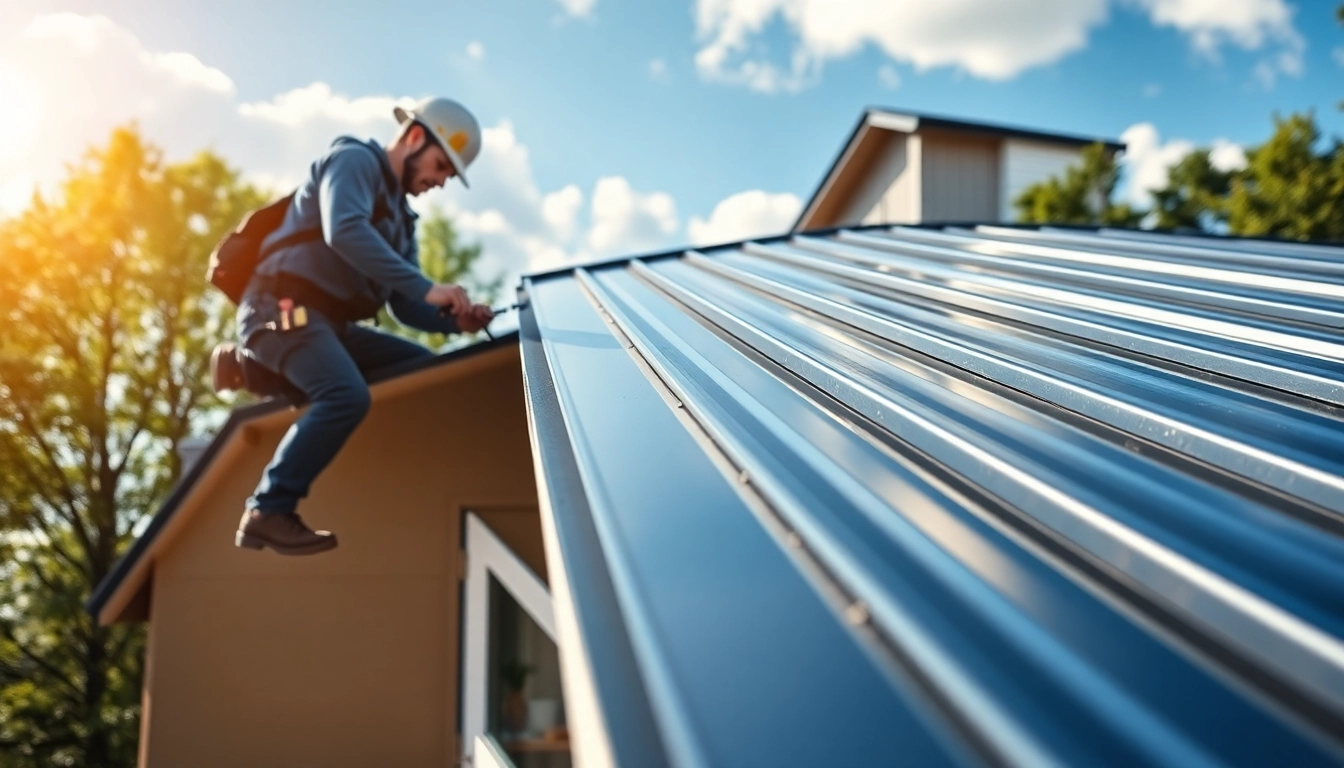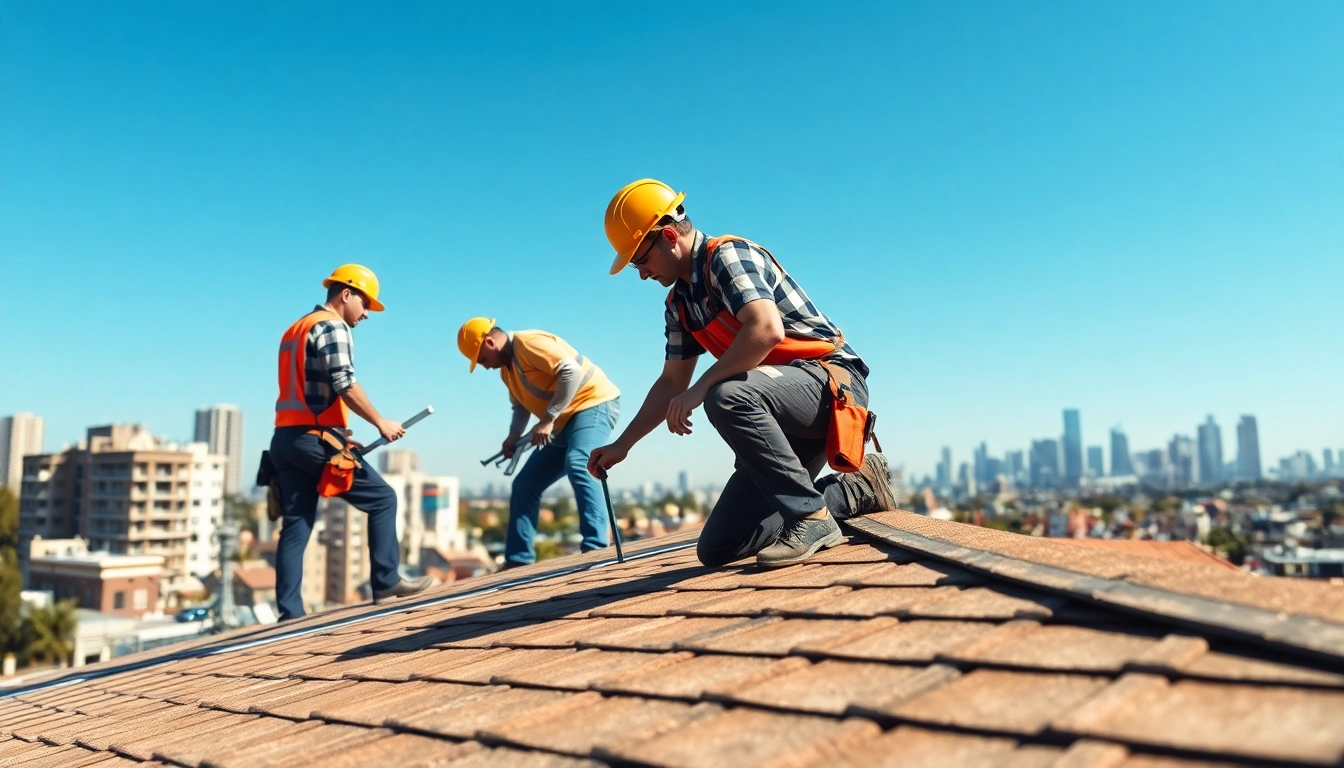
Understanding Your Roofing Needs
Choosing the right roofing solution for your home is a crucial yet often daunting task. Understanding the specific needs that come with a roofing project is essential for ensuring long-term satisfaction. To set the right foundation for this journey, it is important to consider several key factors: assessing roof damage, choosing materials, and establishing a budget. When you approach this process methodically, it can lead to an informed decision, and partnering with a professional Roofing company can help steer you in the right direction.
Assessing Roof Damage
Before you decide on a roofing solution, a thorough assessment of your current roof is essential. Look for visible signs of damage, such as missing shingles, water stains, or sagging areas. Checking the underside of your roof in the attic can also reveal leaks or structural concerns. Engaging a professional for this assessment can provide a more detailed inspection that identifies less obvious issues. Ignoring damage can lead to increased costs and more extensive repairs down the line.
Choosing Roof Materials
The material you select for your new roof has a significant impact on both the durability and aesthetics of your home. Common materials include asphalt shingles, metal, tile, and slate. Each comes with its own set of benefits and drawbacks. For example, asphalt shingles are cost-effective but offer a shorter lifespan compared to metal roofing, which can be more durable but at a higher upfront cost. Discussing options with a qualified professional can guide you toward materials that align with your durability, budget, and aesthetic preferences.
Setting Your Budget
Establishing a budget is crucial before diving into any roofing project. Roof installations can vary widely in price based on the size of your home, choice of materials, labor costs, and any additional features you might want, like skylights or vents. It’s essential to factor in potential unexpected costs that may arise during installation as well. By setting a clear budget upfront, you can streamline your decision-making process and avoid any financial surprises later on.
Researching Roofing Companies
After identifying your needs, the next step is researching roofing companies to find reliable professionals who can deliver the quality work you expect. This process involves checking credentials, reading customer reviews, and obtaining multiple quotes to ensure you’re making an informed decision.
Checking Credentials and Experience
It is vital to verify that the roofing companies you consider are licensed, insured, and have a good standing reputation in your area. Checking for certifications and professional memberships can also provide insights into their expertise and commitment to quality work. Inquire about the length of time they’ve been in business; companies with years of experience typically have a proven track record and established business practices.
Reading Customer Reviews
Customer reviews can provide a wealth of information when it comes to understanding the quality of work and service a roofing company offers. Look for testimonials on their website, social media pages, and independent review platforms. Be sure to pay attention to both positive and negative remarks to gauge overall customer satisfaction. Engaging with past clients or seeking out recommendations from friends and family can give you added confidence.
Getting Multiple Quotes
Obtaining multiple quotes from different roofing companies is essential for understanding the market and ensuring you’re receiving a competitive price. Each company may present slightly different solutions or additional warranties, so look beyond the price and assess the full value being offered. This will assist you in making a comparison based on tangible factors rather than feeling compelled to choose based solely on cost.
Questions to Ask Your Roofing Company
Once you’ve shortlisted potential roofing companies, having a set of questions prepared can ensure you clarify any uncertainties before making a commitment. These questions will center around their experience, warranty policies, and project management processes.
Experience with Specific Roof Types
Ask potential contractors about their experience with the specific type of roofing material you’re considering. Roofing installation can vary greatly with different materials, so it’s essential to partner with a contractor who is familiar with the nuances involved. Inquire about past projects and ask if you can see examples of their work for similar roofing types.
Warranty and Insurance Details
Understanding the warranty offered by the roofing company is vital for your long-term peace of mind. Ask about both the workmanship warranty and the manufacturer warranty on materials. Additionally, ensure the company has adequate insurance to protect against accidents or damage during the installation process. This helps safeguard your investment and provides a security blanket in case of unforeseen circumstances.
Project Timeline and Process
Inquire about the estimated timeline for your roofing project, including when they can start and how long they expect the work to take. Understanding how they communicate with clients during the process is equally important. Ask about their process for keeping you informed on progress and any issues that may arise during the installation.
Understanding Roofing Costs
Understanding what goes into the cost of roofing helps clarify the investment you’re making in your home. It’s not just the price of materials; many factors contribute to the overall estimate that a contractor may provide.
Breakdown of Labor vs. Material Costs
Roofing costs can typically be divided into labor and materials. Labor costs usually account for a significant portion of the total price and vary based on the complexity of the work and the region you live in. The choice of materials will also heavily influence the total cost, with some premium materials demanding a higher investment for both purchase and installation. Make sure you get a detailed breakdown of these costs from your contractor.
Factors Affecting Pricing
Many factors can affect overall roofing costs, including roof size, pitch, existing roof condition, disposal of old materials, and the choice of new materials. Additionally, local building codes and permit requirements can introduce extra costs. Geographic location and seasonal demand can also play roles; for instance, busy periods can drive labor prices higher. Understanding these factors will empower you to make informed decisions throughout the process.
Hidden Fees to Look Out For
It’s crucial to inquire about any hidden fees that may not be included in the initial quote. Items such as permit fees, unexpected damage to underlying structures, or additional cleanup tasks can affect the final bill. Clarifying what is and isn’t included in the estimate upfront will help avoid unpleasant surprises later on.
Maintaining Your Roof Post-Installation
Once your roof is installed, it’s important to stay proactive in maintaining it. Regular inspections and care can extend the life of your roof and minimize the need for costly repairs down the line.
Regular Inspection Practices
Regular inspections can help identify small problems before they escalate into major issues. Aim for at least two inspections per year, ideally before and after the seasons that pose the greatest weather challenges. Consider hiring a professional to conduct these inspections, especially after severe weather events such as storms or heavy snowfall.
Signs of Potential Issues
Be vigilant for signs that may indicate potential roof issues, such as dark spots, peeling paint, or missing shingles. Inside your home, watch for water stains on ceilings or walls, which may signal leaks. Early detection is key to effective repairs.
Scheduling Professional Maintenance
Setting up a routine maintenance schedule with a professional can help ensure your roof remains in optimal condition. This can include services such as cleaning the gutters, checking for debris accumulation, and conducting repairs as necessary. Engaging a qualified roofing company for this upkeep will help safeguard your investment for years to come.
Frequently Asked Questions
What are the common signs of roof damage?
Common signs include missing or curling shingles, water stains on ceilings, and visible sagging. Regular inspections can help catch these issues early.
How long does a roof installation typically take?
Most roofs can be installed in a few days to a week, depending on size and complexity. Weather conditions and contractor availability can also affect timelines.
What is the average lifespan of a roof?
Roof lifespan varies by material: asphalt shingles last 15-30 years, while metal roofs can last 40-70 years. Proper maintenance can extend roof life significantly.
Are roofing warranties important?
Yes, warranties protect your investment. Workmanship and materials warranties provide peace of mind, ensuring coverage for potential defects or installation issues.
How can I extend the life of my roof?
Regular inspections, prompt repairs, and proactive maintenance such as gutter cleaning can significantly extend your roof’s lifespan and prevent costly repairs.