What is an A19 Light Bulb?
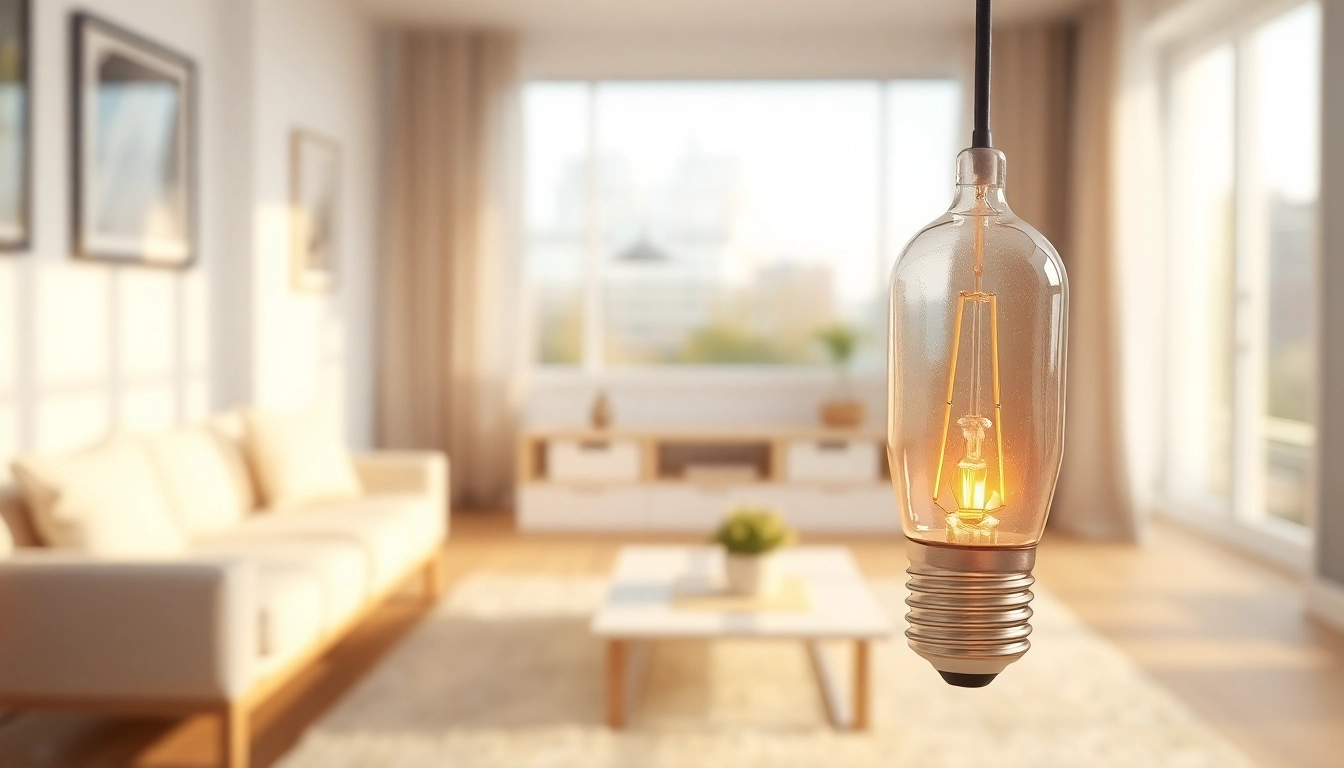
An A19 light bulb is a widely used type of incandescent or LED light bulb defined by its specific shape and style. The “A” in A19 stands for “arbitrary,” describing the bulb’s overall standard rounded shape. The “19” denotes its diameter of 19 eighths of an inch, roughly equivalent to 2.375 inches. This common bulb type is recognizable in households and businesses for its functional design and versatility, making it a staple in everyday lighting solutions. Understanding what is an a19 light bulb not only clarifies its shape but also its popular applications and characteristics that meet varying lighting needs.
Defining the A19 Bulb Shape
The A19 bulb shape is characterized by its pear-like design, featuring a wider top tapering down to a narrow base suitable for standard light fixtures. This design is not merely aesthetic; it plays a significant role in light dispersion and efficiency. Generally, A19 bulbs feature a screw base, specifically the E26 base in North America, which ensures compatibility with most common light fixtures. This design allows for easy replacements, making A19 bulbs a top choice for both residential and commercial applications.
Common Uses for A19 Bulbs
A19 light bulbs are incredibly versatile and can be found in various lighting contexts. Common applications include:
- Home Lighting: They provide ambient lighting in living rooms, bedrooms, and kitchens.
- Office Environments: A19 bulbs are often used in desk lamps and overhead lighting.
- Commercial Settings: Retail spaces and restaurants utilize A19 bulbs for an inviting and functional atmosphere.
- Decorative Fixtures: The aesthetic design makes them suitable for chandeliers and pendant lighting, enhancing the decor.
Understanding Energy Efficiency Ratings
Energy efficiency ratings help consumers understand the long-term costs associated with lighting choices. A19 light bulbs can be found in various energy ratings, commonly seen in incandescent, CFL, and LED formats. LED A19 bulbs generally offer the highest energy efficiency, providing the same brightness as traditional incandescent bulbs but using significantly less power. This efficiency is represented by the lumens per watt (lm/W) metric, which helps in comparing the performance of different light sources.
Key Features of A19 Light Bulbs
Lumens: Brightness Explained
The brightness of A19 bulbs is measured in lumens, which quantifies the amount of light emitted. The average A19 incandescent bulb produces around 800 lumens, which is equivalent to a 60-watt incandescent bulb. In contrast, LED A19 bulbs can deliver the same brightness with lower wattage, anywhere between 8 to 12 watts, making them a cost-effective choice for consumers. Understanding lumens helps users select bulbs based on their specific illumination needs, enhancing comfort and visibility in spaces.
Color Temperature Variations
A19 bulbs come in a range of color temperatures, measured in Kelvin (K). The typical offerings include:
- Warm White (2700K-3000K): Ideal for living rooms and bedrooms, it creates a cozy ambiance.
- Cool White (3500K-4100K): Common in kitchens and bathrooms, it provides a neutral light.
- Daylight (5000K-6500K): Best suited for task lighting, it mimics natural sunlight, enhancing color details.
Choosing the right color temperature affects mood and functionality in different settings, making it a critical decision when selecting A19 bulbs.
Smart Lighting Options with A19 Bulbs
As technology advances, many manufacturers offer smart A19 bulbs that can be connected to home automation systems. These bulbs can be controlled via smartphone apps or voice commands, allowing users to adjust brightness and color temperature easily. Additionally, smart A19 bulbs often feature scheduling and remote access, enhancing convenience and energy savings. This evolution towards smart lighting boosts the functionality of A19 bulbs, integrating them seamlessly into modern living spaces.
Choosing the Right A19 Light Bulb
Identifying Your Lighting Needs
Before selecting an A19 bulb, it is essential to assess the specific lighting requirements for your space. Consider factors such as:
- Function: What tasks will be performed in the area? For example, cooking areas require brighter lighting compared to bedrooms.
- Aesthetic Preferences: The desired ambiance should guide your choice of color temperature.
- Energy Concerns: If sustainability is a priority, lean towards LED options for their energy-saving potential.
Mapping out these factors creates a strategic plan for illuminating your environment effectively.
Comparing Watts and Lumens
When assessing A19 bulbs, it’s crucial to understand the distinction between watts and lumens. Watts measure the energy consumption of a bulb, while lumens indicate its brightness. For example, a traditional 60-watt incandescent bulb produces around 800 lumens. However, an LED equivalent may only consume 10 watts to achieve the same brightness. Being aware of this difference can help consumers make more energy-efficient choices without sacrificing illumination quality.
Assessing Fixture Compatibility
Before purchasing an A19 bulb, you must ensure it is compatible with the fixtures you intend to use. Factors to consider include:
- Base Type: Most A19 bulbs come with an E26 base, but check your fixture’s specifications.
- Wattage Limit: Fixtures often have maximum wattage ratings; exceeding this can increase fire risk.
- Dimmer Switches: If your fixture is equipped with a dimmer, ensure the A19 bulb is specifically rated for dimming.
Taking the time to verify these details can save you from potential safety hazards and compatibility issues.
Installation and Maintenance Tips
Safe Installation Practices
Installing A19 bulbs is a straightforward process, but adhering to safety protocols is vital. Always turn off the power before replacing bulbs to prevent shock. Ensure your hands are dry, and consider using gloves to avoid skin oils on LED bulbs, which can reduce their lifespan. If you’re using a smart bulb, consult the manufacturer’s instructions to set up the connectivity features properly.
Caring for Your A19 Bulb
To maximize the lifespan of your A19 bulbs, follow these care tips:
- Avoid Overheating: Ensure fixtures allow for proper heat dissipation.
- Regular Cleaning: Dust in the bulb’s housing can diminish brightness; gently clean frequently used fixtures.
- Store Properly: If you need to store bulbs, keep them in their original packaging to prevent breakage.
Taking these maintenance steps enhances performance and longevity for better lighting quality.
When to Replace Your Bulbs
Being vigilant about the condition of your A19 bulbs is crucial. Common signs that indicate it’s time for a replacement include:
- Flickering or Dimming: This could suggest that the bulb is failing.
- Color Changes: If the light appears yellowish or dull, it’s time for a replacement.
- Increased Heat Generation: If bulbs are uncommonly hot to the touch, it may indicate a malfunction.
Replacing bulbs promptly enhances energy efficiency and maintains lighting quality in your space.
FAQs about A19 Light Bulbs
What is an A19 light bulb’s typical lifespan?
A19 light bulbs’ lifespans vary; incandescent bulbs last about 1,000 hours, while LED versions can last up to 25,000 hours.
Can A19 bulbs be used outdoors?
A19 bulbs can be used outdoors if they are specifically rated for outdoor use, providing weatherproofing features.
What wattage should I choose for my A19 bulb?
Wattage depends on the brightness needed. For standard lighting, 8-13 watts is suitable for LEDs, replacing 60-watt incandescents.
Are A19 bulbs dimmable?
Many A19 LED bulbs are available as dimmable options, but make sure to use compatible dimmer switches.
What makes A19 bulbs energy efficient?
A19 bulbs are energy efficient mainly when using LED technology, consuming less wattage for the same brightness compared to incandescent bulbs.